
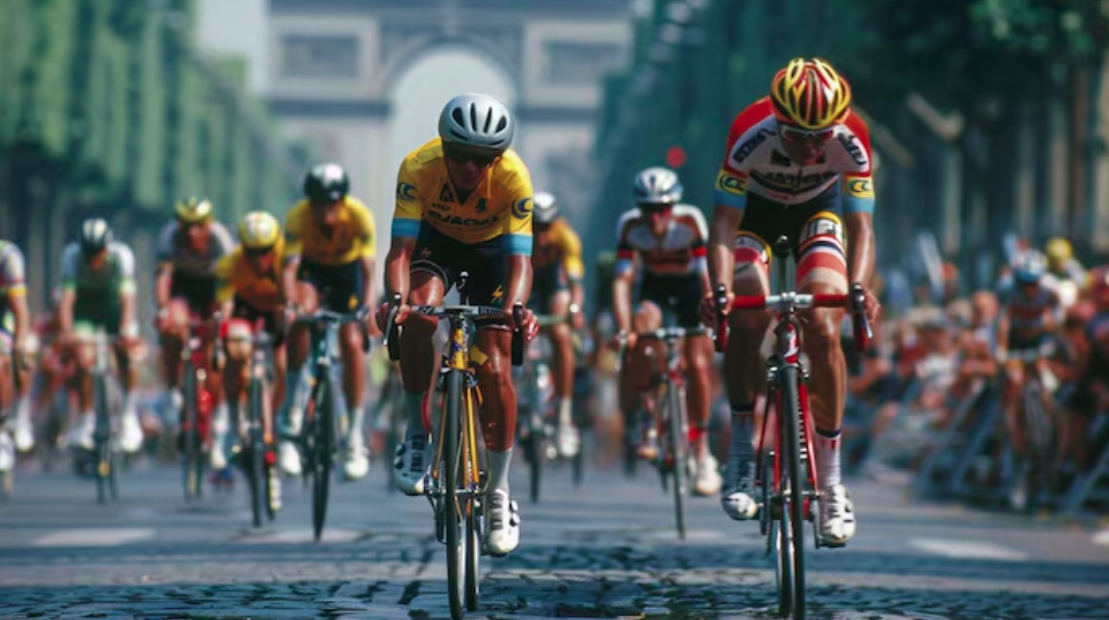
The Tour de France is far more than just a multi-stage bicycle race; it is a global phenomenon that has defined the parameters of professional cycling for over a century.
Since its inception in 1903, the event has grown into the ultimate test of human endurance, captivating audiences across every continent.
Its influence extends beyond the competitive arena, weaving itself into the fabric of art, fashion, and urban planning, ultimately dictating how the world perceives the sport of cycling.
The Pinnacle of Athletic Endurance
Every year, the grueling mountain passes and high-speed sprints of the race push athletes to their physical limits. This pursuit of excellence inspires millions of amateur cyclists to take up the sport, viewing the professionals as the gold standard of fitness.
The race serves as a catalyst for individuals to challenge their own boundaries, fostering a global culture that values health and perseverance. It is this aspirational quality that makes the event a cornerstone of sporting history.
Influence on Artistic Expression and Branding
The aesthetic impact of the race is undeniable, as it has inspired decades of iconic imagery and design. For many fans, collecting vintage or modern tour de france posters is a way to celebrate the history and the romanticism of the open road.
These visual tributes capture the essence of the French landscape and the intensity of the riders, turning a sporting event into a permanent fixture of home decor and graphic design. The art associated with the race helps maintain its relevance in popular culture even during the off-season.
Driving Technological Innovation in Equipment
The demand for faster speeds and better efficiency on the road has led to incredible advancements in bicycle technology.
Manufacturers use the race as a testing ground for carbon fiber frames, aerodynamic helmets, and electronic shifting systems. As these innovations prove successful on the world stage, they eventually become available to the general public.
Consequently, the average commuter benefits from the research and development triggered by the world’s most famous race, making high-performance gear more accessible to everyone.
Promoting Tourism and Geographical Heritage
The race acts as a magnificent three-week advertisement for the diverse regions of France, showcasing everything from the rustic countryside to the iconic streets of Paris. This exposure has encouraged other nations to develop their own cycling tours, promoting local tourism and heritage.
Enthusiasts often decorate their personal spaces with tour de france posters to remember the scenic routes and historic climbs that have become legendary. This geographical focus encourages people to explore the world on two wheels, fostering a deeper connection with nature.
Cultivating a Global Community of Fans
Cycling can often be a solitary pursuit, but this event creates a massive international community. Fans from different backgrounds gather along the roadsides or in digital forums to discuss tactics and cheer for their favorite teams.
The tradition of displaying tour de france posters in local bike shops or cafes serves as a beacon for these fans, creating social hubs where the love for the sport is shared. This sense of belonging is vital for the continued growth and sustainability of cycling culture worldwide.